
In agriculture, plant nutrients are essential chemical elements that are necessary for plant growth. The major plant nutrients are nitrogen (N), phosphorus (P), and potassium (K). These elements are typically applied to fields in the form of fertilizers. In order for plants to access the nutrients in the soil, they must be in a soluble form. Once absorbed, the nutrients are transported throughout the plant and play a role in various metabolic processes.
Plant nutrients are essential chemical elements that are necessary for plant growth. The most important plant nutrients are nitrogen, phosphorus, and potassium. These are typically applied to soils as fertilizer.
What do you mean by plant nutrients?
Plant nutrients are the chemical elements that are essential to the nourishment of plant health. Plant nutrients fall into three categories, all of which are based on the amount a plant needs, not the importance of the individual elements. Each plant nutrient performs a crucial role in plant growth and development.
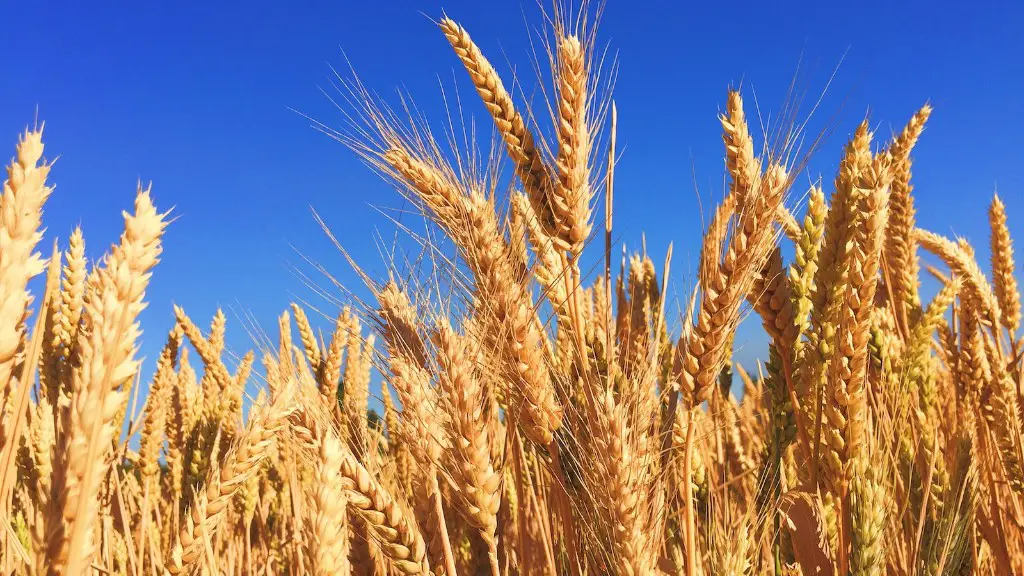
Plants need nutrients for the same reasons that animals need them. They need them to germinate, grow, fight off diseases and pests and to reproduce. Like animals, nutrients are needed in larger, smaller or trace amounts for the plant to stay healthy.
Is plant nutrients the same as fertilizer
There are many benefits to using natural plant food over synthetic fertilizers. Plant food is more sustainable and doesn’t deplete the soil of its nutrients. It also doesn’t pollute the environment like synthetic fertilizers can. Plant food is also generally more expensive than synthetic fertilizers.
Nitrogen is a key element for plant growth, as it is a primary component of proteins. Therefore, it is usually more responsible for increasing plant growth than any other nutrient. Nitrogen promotes green, leafy growth, and is essential for the development of every living cell.
What are the two types of plant nutrients?
Macronutrients are nutrients that plants require in larger amounts. The three macronutrients are nitrogen (N), phosphorus (P), and potassium (K). Micronutrients are nutrients that plants require in smaller amounts. The six micronutrients are calcium (Ca), magnesium (Mg), sulfur (S), iron (Fe), manganese (Mn), and zinc (Zn).

Amino acids are essential for plants to create proteins, which are the building blocks of protoplasm. Protoplasm is the site for cell division and thus for plant growth and development. Amino acids are also needed for all of the enzymatic reactions in a plant, including photosynthesis.
Why do we add plant nutrients to the soil?
Fertilizers are important for replenishing the nutrients in the soil so that crops can continue to grow. Without fertilizers, the soil would eventually become depleted of nutrients and crop yields would decrease.
Nitrogen, phosphorus, potassium, and lime are essential nutrients for plants. They are required for growth and optimum production. Nutrient management plans provide farmers with information on how to grow crops to their potential from their farming system.
What are the different types of plant nutrition
Plants require two types of nutrients- macronutrients and micronutrients. Macronutrients include nitrogen, phosphorus, potassium, calcium, magnesium and sulphur. The micronutrients include boron, chlorine, copper, iron, manganese, molybdenum, and zinc. Both macronutrients and micronutrients are essential for plant growth and development.

Although all green plants make their food by photosynthesis, they also need to get nutrients from the soil. These dissolve in water and are taken up by the roots of the plant. The most important plant nutrients are nitrogen (N), phosphorous (P), and potassium (K).
What nutrients are replaced by fertilizer?
If you’re interested in growing plants optimally, it’s important to be aware of the possibility of nutrient deficiencies. Nitrogen, phosphorus, and potassium are the nutrients most likely to be lacking, so it’s wise to supplement with fertilizers if you want to achieve the best results. The best way to assess the nutrient availability in your garden is to do a soil test. This will give you valuable information about what nutrients are present in your soil and how well they are being utilized by your plants. With this information, you can tailor your fertilizer application to meet the specific needs of your garden.
There are a number of ways to add nutrients to your garden without resorting to commercial fertilizers. Here are 11 of the best:
1. Grass clippings – if you have a lawn, grass clippings are a great way to add nutrients to your garden. Just make sure that the grass is free of pesticides and herbicides.
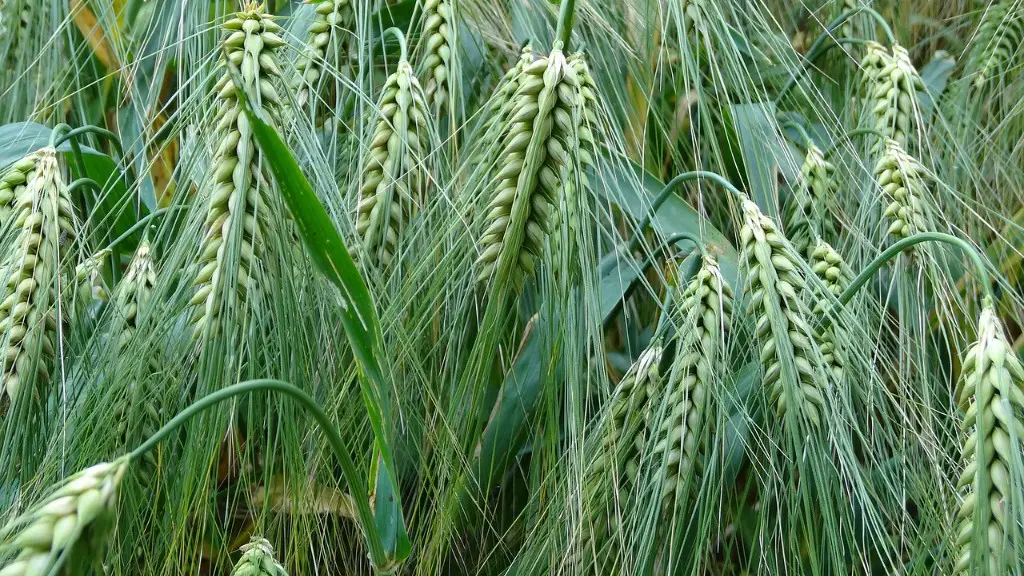
2. Compost – compost is an excellent way to add nutrients and organic matter to your garden. It is surprisingly easy to make your own compost right in your backyard.
3. Straw and other plant materials – straw, leaves, and other plant materials can be added to your garden to provide nutrients and organic matter.
4. Urine – urine is high in nitrogen and other nutrients, and can be a great way to fertilize your garden. Just be sure to dilute it with water before applying it to your plants.
5. Wood ashes – wood ashes contain potassium and other nutrients that can be beneficial to your plants. Just be sure not to use ashes from treated wood, as they may contain harmful chemicals.

6. Hugelkultur beds – hugelkultur is a type of raised bed that uses woody material to create a deep,
What are the three most important plant nutrients
The three main nutrients are nitrogen (N), phosphorus (P), and potassium (K). Together they make up the trio known as NPK. Other important nutrients are calcium, magnesium, and sulfur.
Plants are the primary producers in most terrestrial ecosystems and they require certain nutrients in order to grow and function properly. The three most important nutrients that plants need are carbon, hydrogen, and oxygen. These elements are obtained from the air and water that plants take in through their leaves. Other nutrients needed by plants are nitrogen, phosphorous, potassium, calcium, magnesium, and sulfur. These elements are typically found in the soil and are absorbed by the roots of plants. From these basic nutrients, plants and other autotrophs synthesize, or create, their own nutrients, such as sugars.
How do you know what nutrients a plant needs?
Identifying a nutrient deficiency in your plant begins by looking where it occurs: oldest leaves or newest growth. Once that’s established, the most common plant nutrient deficiencies offer these clues: Scorched edges and speckles on older leaves indicate potassium deficiency.
Most fertilizers help improve plant growth by providing one or more essential nutrients that are required for plant growth. Nitrogen, phosphorus, and potassium are the three primary nutrients that are commonly found in fertilizers and used in agriculture. These nutrients help plants to grow strong and healthy. Micronutrients, such as zinc and other metals, are also sometimes found in fertilizers. These micronutrients can also help plants to grow and stay healthy.
Warp Up
Plant nutrients are chemicals that are essential for plant growth. They include nitrogen, phosphorus, and potassium, which are often referred to as N-P-K. These nutrients are typically added to soil through fertilizers in order to help crops grow.
Plant nutrient in agriculture is important because it helps crops grow. Without plant nutrients, crops would not be able to grow properly and would eventually die. This would lead to a decrease in the amount of food that is available to people, which would cause many problems.