
GMO crops have been a hot issue in agriculture for the past few years. GMO stands for “genetically modified organism.” A GMO is created when a plant or animal’s DNA is artificially altered in a laboratory. This might sound like something out of a science fiction movie, but GMOs are very real and they are being used in agriculture more and more.
GMO crops are crops that have been genetically modified to resist herbicides or pests. Most GMO crops on the market today have been engineered to withstand herbicides. This means that farmers can spray herbicides on their fields without worrying about harming the crops. GMO crops have also been engineered to resist pests. This means that farmers can use less pesticide on their crops.
GMO crops have been controversial since they were first introduced. Some people argue that GMO crops are unsafe to eat. Others argue that they are not environmentally friendly. Some people even argue that GMO crops are “unnatural.”
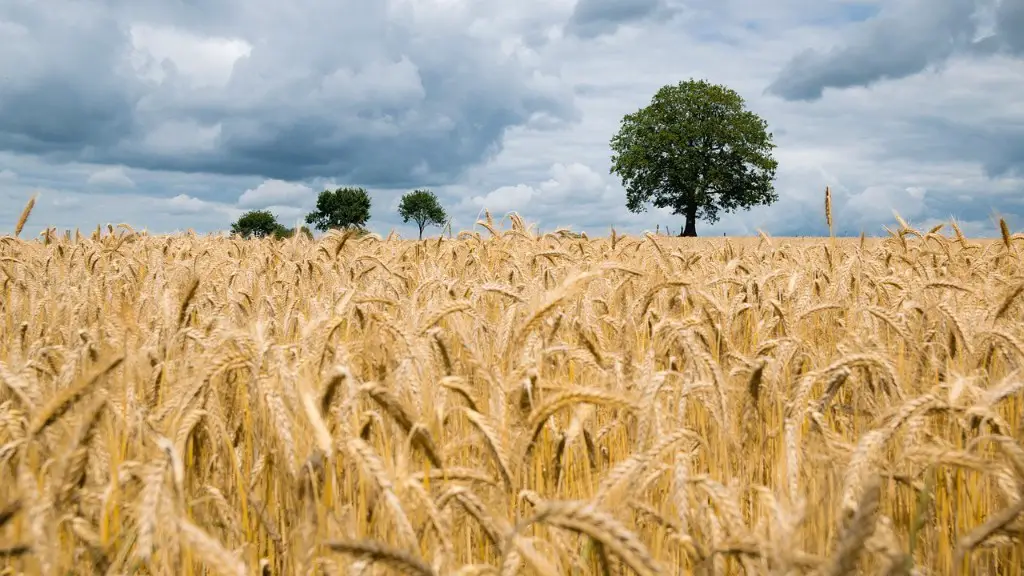
Whether or not you believe in GMO crops, it is important to be informed about them. This introduction will give you some basic information about GMO crops so that you can make your own decisions about them.
A GMO (genetically modified organism) is a plant, animal, microorganism or other organism whose genetic makeup has been modified in a laboratory using genetic engineering techniques. This is done to introduce a new trait or characteristic to the organism.
What is GMO and its example?
A genetically modified organism (GMO) is an animal, plant, or microbe whose DNA has been altered using genetic engineering techniques. For thousands of years, humans have used breeding methods to modify organisms. Corn, cattle, and even dogs have been selectively bred over generations to have certain desired traits.
The world’s food supply is under increasing pressure due to population growth and climate change. To meet this challenge, scientists are working on developing new types of food that are more abundant and have longer shelf lives. They are also developing plants and animals with faster growth rates and more desirable traits. In addition, they are working on medicinal foods that could be used as vaccines or other medicines.
What are the 3 types of GMOs

Traditional methods of modifying plants, like selective breeding and crossbreeding, have been around for nearly 10,000 years. These methods are still in use today, but they have been supplemented by newer methods like genetic engineering and genome editing.
Genetic engineering involves the direct manipulation of an organism’s genes. This can be done by inserting genes from one organism into another, or by directly altering the genes themselves. Genome editing is a newer technique that allows for more precise changes to be made to an organism’s DNA.
Both of these methods can be used to create crops that are more resistant to pests and diseases, or that can better tolerate harsh conditions like drought. They can also be used to create crops with higher yields, or that are more nutritious.
While these methods have many potential benefits, they also come with some risks. There is always the possibility that unintended changes will be made to the DNA of a crop, which could have negative consequences. There is also concern that genetically modified crops could cross-pollinate with non-genetically modified crops, contaminating them with modified genes.

Despite these concerns, many countries have adopted genetically modified crops, and the use of these crops is continues to grow.
GMOs are created for a variety of reasons, including making the food more resistant to pests or herbicides, or to make the food look more appealing. For example, GMOs are often used to make fruits and vegetables larger and brighter.
GMOs have been controversial because there is concern that they may have negative health effects. There is also concern that GMOs could lead to the creation of “superbugs” or “superweeds” that would be difficult to control.
The jury is still out on whether GMOs are safe, but many countries have regulations in place to limit their use.
What are the 5 most common GMO foods?
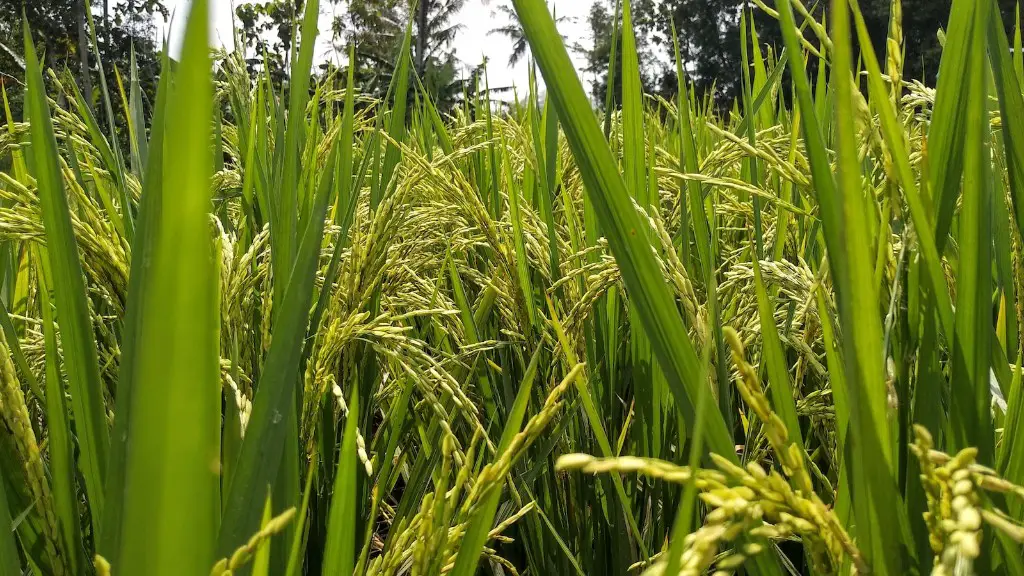
GMO crops are crops that have been genetically modified to contain certain traits. The most common GMO crops in the United States are corn, soybean, cotton, and potato. These crops have been modified to be resistant to certain pests and diseases, to have a longer shelf life, or to contain higher levels of certain nutrients.
There is no evidence that GMOs cause organ toxicity or other adverse health effects. This has been shown in many studies conducted on various crops. GMOs are safe and pose no threat to human health.
What are bad things about GMOs?
Antibiotic resistance is the main concern when it comes to the adverse effects of GM foods on health. Toxicity and allergenicity are also concerns, but antibiotic resistance is the most significant. When antibiotic resistance occurs, it is difficult to treat infections that are caused by bacteria. Toxicity and allergenicity can also cause health problems, but they are not as serious as antibiotic resistance.
There is a lot of debate surrounding the safety of GMO foods, but these studies suggest that they are no different from non-GMO foods in terms of their effect on our health. GMO plants have actually been modified to improve their nutritional value, so they can actually be beneficial to our health.
What are two negative aspects of GMO

Many people are concerned about the negative effects of reduction in insect biodiversity when crops are resistant to insects. Some of the unanticipated effects include creating more weeds or harder-to-kill invasive species. These effects can have a big impact on other crops or animals.
There are a few things you can do to avoid GMOs in your food:
1. Buy organic foods whenever possible.
2. Look for labels that say “non-GMO” or “organic” on food products.
3. Avoid foods that contain at-risk ingredients, such as corn and beet sugar.
What are the 3 risks of GMOs in health?
Genetic engineering is the process of manipulating genes in a living organism to change its characteristics. This can be done in a number of ways, but the most common method is to insert a gene from one organism into another.
This has led to a number of new and unexpected health risks, as well as some risks that were known but thought to be insignificant.
The most common risks are allergies and immune reactions. These can be caused by the new gene, or by the process of genetic engineering itself.
Other risks include cancer, antibiotic resistance, and loss of nutrition.
All of these risks are real and should be considered before consuming any genetically engineered food.
It’s a common misconception that broccoli is a genetically modified organism (GMO). In reality, broccoli is the product of selective breeding. By controlling the environment and taking buds from wild cabbage, broccoli can be forced to reproduce. This process doesn’t involve any genetic modification, so broccoli is not a GMO.
Why should we avoid GMO
Alterations to genes can have a major impact on the entire organism. These genes can then carry information that is foreign to the human or animal who ingests the organism. Even if there are no immediate health consequences, long-term side effects for human and animals could include allergies and altered digestion.
GM crops can pose a serious threat to wild, non-GMO, and organic crops through the risk of contamination. Contamination from GM crops can occur through pollination or seed escape, and can put a great burden on farmers who have to spend considerable time and money maintaining their organic title.
What are some negative impacts of genetically modified crops?
The research indicates that GM crop technology can result in a net increase in herbicide use and can foster the growth of herbicide resistant weeds. In addition, there is concern that the use of GM crops may negatively impact the agriculture ecosystem. The use of GM crops may thus have some potential drawbacks that should be considered before their widespread adoption.
The vast majority of soybeans grown in the United States are genetically modified. Genetically modified soybeans are engineered to be resistant to herbicides and pests. Because of this, they are able to withstand heavy applications of herbicides and pests, which can damage or kill non-genetically modified soybeans.
Warp Up
GMO stands for genetically modified organism. A GMO is an organism that has been created through the process of genetic engineering. This process involves the modification of the genetic makeup of an organism in order to change one or more of its characteristics. GMOs are used in agriculture in order to create crops that are resistant to herbicides and pests, and that can grow in unfavorable conditions.
GMO in agriculture is a term used to describe the process of genetically engineering a plant or animal to have a desired trait. This can be done by inserting a gene from another organism into the genome of the plant or animal. GMO crops have been engineered to be resistant to herbicides or pests, or to produce vitamins or other compounds. GMO animals have been engineered to grow faster or to produce more milk.