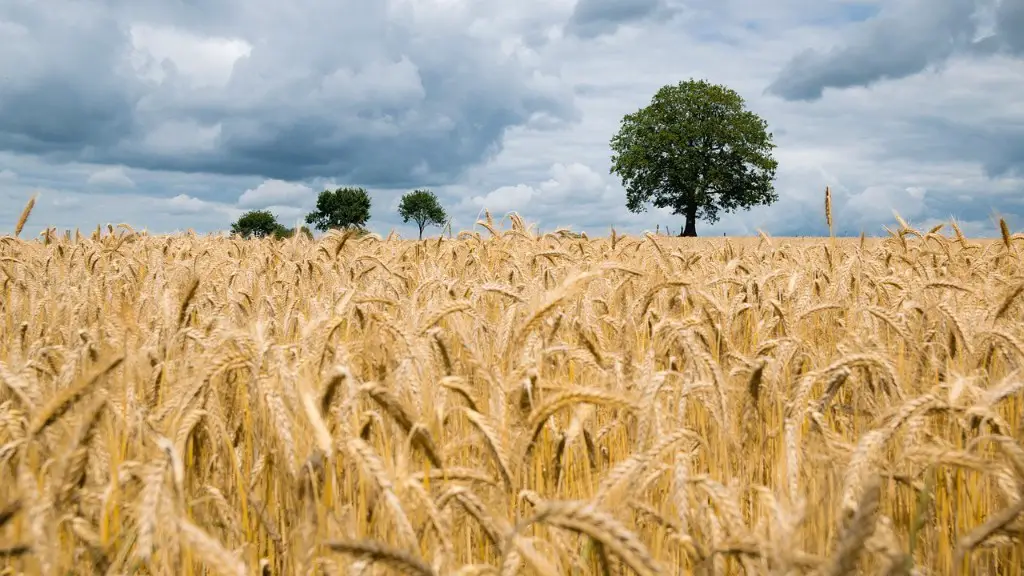
One of the main ways agriculture contributes to air pollution is through the use of fertilizers and pesticides. When these chemicals are sprayed on crops, they can often end up in the air, where they can be inhaled by people and animals. In addition, agriculture often involves the burning of fossil fuels, which releases harmful pollutants into the air.
Agricultural production – including livestock farming, the application of fertilizers and pesticides, and fuel use – is a significant source of air pollution. Emissions from agriculture can contribute to the formation of ground-level ozone, particulate matter, and acid rain. These tools can have health impacts, including respiratory problems and decreased visibility.
How much does agriculture contribute to air pollution?
Agriculture accounts for a significant amount of emissions in the United States, and a large portion of that comes from livestock. Raising, feeding, and managing livestock contributes a significant amount of emissions. Reducing emissions from agriculture will require changes in how we raise and manage livestock.
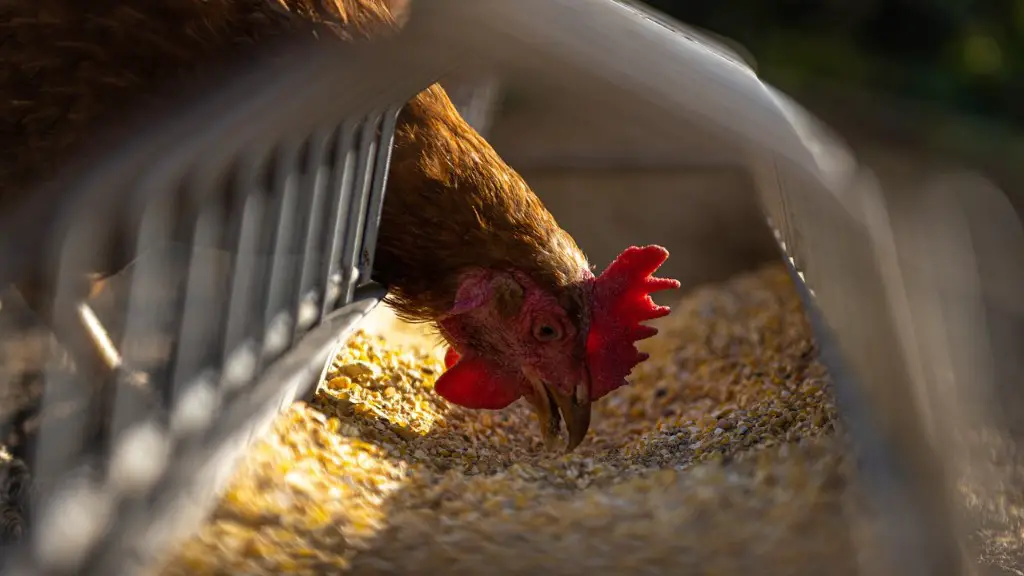
Agricultural air pollution is a major problem in many parts of the world. Ammonia is a major contributor to this pollution, and it comes from heavily fertilized fields and livestock waste. This pollution can cause a number of problems for the environment and human health, and it is important to take steps to reduce it.
What kind of air pollution does agricultural burning contribute to
Open burning is responsible for a large amount of black carbon emissions. Black carbon is a short-lived climate pollutant that contributes to air pollution, climate change, and increased melting in the cryosphere.
Farms in the United States produce the vast majority of the country’s airborne ammonia pollution. Ammonia is a byproduct of animal waste and fertilizer, and it can be harmful to human health. The EPA is working to reduce ammonia pollution from farms, but more needs to be done to protect public health.
What are the 3 biggest contributors to air pollution?
Air pollution is a big problem in today’s world. There are many sources of air pollution, but the most common are vehicle emissions, fuel oils and natural gas to heat homes, by-products of manufacturing and power generation, and fumes from chemical production. All of these things release harmful chemicals into the air that can cause health problems for people, animals, and plants.
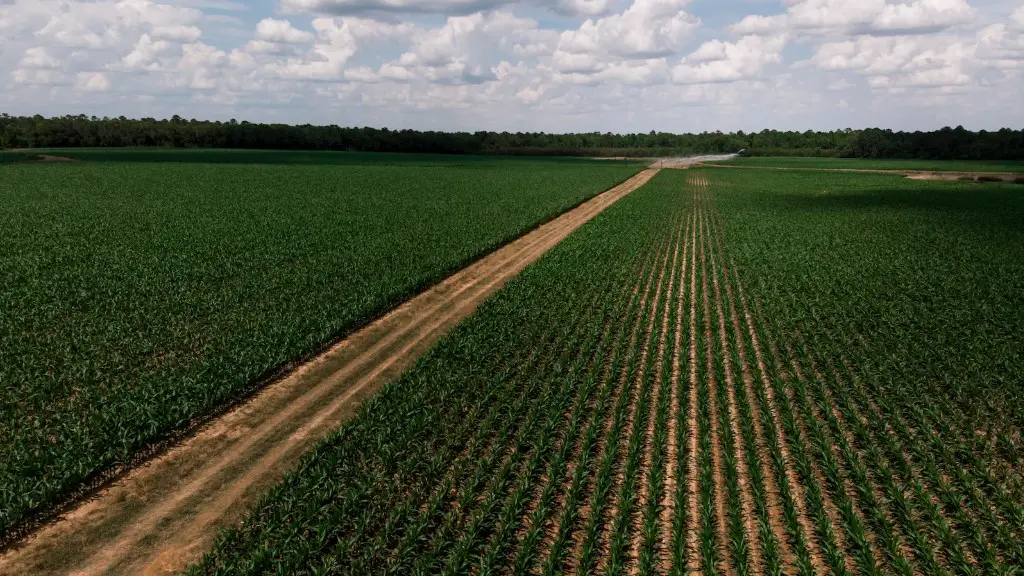
Air pollution is especially harmful to children, the elderly, and people with respiratory problems. It can cause respiratory illnesses, heart disease, and even cancer. It’s important to be aware of the dangers of air pollution and to take steps to reduce the amount of pollution that we’re putting into the air.
The burning of fossil fuels is a major contributor to air pollution. Power plants and industries that burn fossil fuels release emissions and chemicals into the air, which can be harmful to human health. Motor vehicles also contribute to air pollution, and burning fossil fuels is a major source of greenhouse gas emissions, which can contribute to climate change.
What are 3 ways agriculture can contribute to pollution?
Agriculture is the leading source of pollution in many countries. Pesticides, fertilizers and other toxic farm chemicals can poison fresh water, marine ecosystems, air and soil. They also can remain in the environment for generations.
Farms are often located near water resources, so chemicals can easily contaminate these areas. In addition, agricultural runoff can pollute waterways with sediment and nutrients that can lead to harmful algal blooms. These blooms can deplete oxygen in the water, making it difficult for fish and other aquatic animals to survive.

1. Agricultural residues are the materials left over from crops or animals after they have been harvested or slaughtered. They can include straw, stalks, leaves, manure, and even dead animals. These residues can pollute rivers if they are not disposed of properly.
2. Fertilizers and pesticides are chemicals that are applied to crops to help them grow or to protect them from pests. However, these chemicals can also pollute rivers if they are not used properly.
3. Animal husbandry refers to the raising of livestock. Animal manure can pollute rivers if it is not properly disposed of.
4. Excess salts from applied irrigation water can also pollute rivers. When irrigation water evaporates, the salts are left behind and can accumulate in the soil. If this water then flows into a river, the salts can pollute the water.
How does agriculture affect the environment negatively
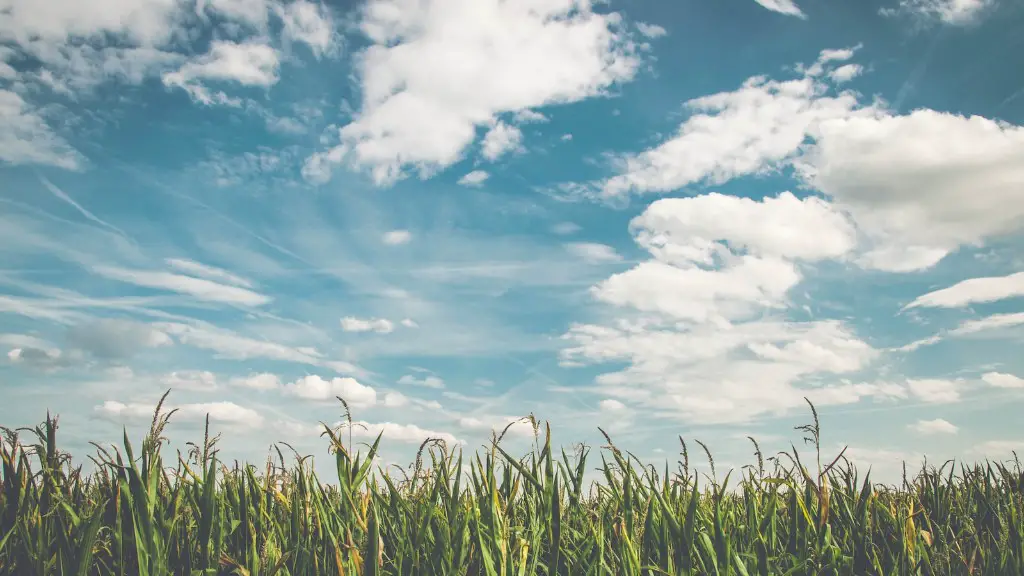
Negative impacts from agriculture can be serious, and include pollution and degradation of soil, water, and air. However, there are also positive impacts that agriculture can have on the environment. For example, agriculture can trap greenhouse gases within crops and soils, or mitigate flood risks through the adoption of certain farming practices.
Soil erosion is the main source of agricultural water pollution. When rain falls, it washes away soil particles (sediment) and deposits them into nearby lakes or streams. Too much sediment can reduce the amount of sunlight that reaches aquatic plants, and can also cause problems with water quality.
What impact does agriculture have on the atmosphere?
Agriculture plays a significant role in climate change by producing greenhouse gases. Greenhouse gases like methane, carbon dioxide and nitrous oxide trap heat in the atmosphere and cause our climate to warm. In NSW, agriculture accounts for around 13% of greenhouse gas emissions. Reducing these emissions is key to mitigating climate change.
The main causes of air pollution are sulphur dioxide, nitrogen oxides, particulate matter (PM10, PM25 and PM1), ozone and volatile organic compounds (VOCs). Other pollutants include toxic organic micro-pollutants (TOMPs) such as benzene, 1,3-butadiene and carbon monoxide.
What are the five main human sources of air pollution

Air pollution is a pressing environmental issue that has serious implications for our health on a daily basis. The burning of fossil fuels, industrial emissions, indoor air pollution, wildfires, and the microbial decaying process are all common causes of air pollution that can have negative effects on our respiratory and cardiovascular systems. Transportation and the open burning of garbage are also major contributors to air pollution.
Air pollution is one of the most serious environmental problems in the world today. It is caused by the burning of fossil fuels, such as coal, oil and natural gas. The combustion of fossil fuels emits a large amount of sulphur dioxide, which is a major pollutant.
Automobiles, agricultural activities, factories and industries, mining activities and domestic sources all contribute to air pollution. Air pollution causes a number of diseases, including asthma, bronchitis and cancer.
There are a number of measures that can be taken to control air pollution. These include the use of cleaner fuels, the installation of cleaner burning technologies, the planting of trees and the regulation of industrial emissions.
How does agriculture contribute to climate change?
The agricultural sector is responsible for a significant portion of global greenhouse gas emissions. The three main sources of agricultural greenhouse gases are carbon dioxide (CO2) from tropical deforestation, methane (CH4) from livestock and rice production, and nitrous oxide (N2O) from fertilizing or burning croplands.
CO2 emissions from tropical deforestation are a major contributor to climate change. Deforestation in the tropics accounts for up to 20% of global greenhouse gas emissions. The loss of forests not only release greenhouse gases, but also reduces the ability of the land to absorb CO2.
Methane is produced by livestock, particularly cows and pigs, and from rice production. Methane emissions from livestock account for approximately 15% of agricultural greenhouse gas emissions. Rice production is the second largest source of methane emissions from agriculture, accounting for approximately 10% of agricultural methane emissions.
Nitrous oxide emissions from agriculture come from two main sources: fertilizing crops and burning croplands. Fertilizer use is the main source of agricultural nitrous oxide emissions, accounting for approximately 60% of the total. Burning croplands, typically to clear land for agriculture, is the second major source of agricultural nitrous oxide emissions, accounting for approximately
Volcanic eruptions are a natural source of air pollution. The eruption of Mount St. Helens in 1980 resulted in the release of large amounts of dust and other particles into the atmosphere. This can cause respiratory problems for people who are exposed to the dust.
Windblown dust is another natural source of air pollution. Dust from deserts can be transported long distances by the wind and can be a health hazard for people who breathe it in.
Sea-salt spray is another source of air pollution. Salt spray can contain harmful chemicals that can be inhaled by people on the beach or nearby.
Emissions of volatile organic compounds (VOCs) from plants are another natural source of air pollution. VOCs are released into the air when plants are exposed to sunlight. They can be harmful to human health if inhaled.
Who is the biggest polluter of the Earth’s environment
CO₂ emissions from China are expected to continue to rise in the coming years, as the country continues to industrialize and grow its economy. This is a cause for concern, as the emissions from China are helping to drive climate change.
It is important that China takes action to reduce its emissions, and that the rest of the world works together to help China meet its climate goals. Otherwise, the planet will continue to warm, and the impacts of climate change will become more severe.
The USGS commonly studies agricultural contaminants such as nutrients, pesticides, and fungicides. Nutrients, such as nitrogen and phosphorus, can potentially lead to water pollution if they are not managed properly. Pesticides, including herbicides, insecticides, and fungicides, can also pollute water and cause health hazards if they are not used or disposed of properly.
Final Words
Agriculture is a significant contributor to air pollution, specifically in the form of various greenhouse gases and particulate matter. Agricultural production accounts for approximately 10% of total global greenhouse gas emissions, with the majority coming from livestock production and land-use changes. These emissions contribute to climate change, which in turn can adversely affect agricultural productivity. In addition, agriculture is also a significant source of particulate matter, which can cause respiratory problems and other health issues.
The burning of agricultural waste, like crop residue and animal manure, creates air pollution. In addition, agricultural equipment and automobiles running on dirt roads can also create dust that gets into the air and contributes to air pollution.